
The Mary Celeste
In December 1872 a passing ship found the Mary Celeste sailing the Atlantic alone — seaworthy, stocked with six months of food, and completely empty. Ten people and one lifeboat were gone. A Gibraltar court suspected foul play and could prove none. A century and a half later, the best answer is still a careful guess.
Our read
Evidence — 12 claims
10 supported · 1 resolved · 1 open
Sources — 4
4 sources · reference + journalism
Unresolved
The record does not support a single durable explanation.
- SupportedThe Mary Celeste left New York on November 7, 1872 with ten people aboard, bound for Genoa with 1,701 barrels of alcohol.
- SupportedThe Dei Gratia found the Mary Celeste on December 4, 1872, about 400 miles east of the Azores, sailing erratically with no crew aboard.
- SupportedThe ship was seaworthy, had six months of food and water, and the cargo was largely intact when found.
- SupportedThe last log entry was dated November 25, nine days before the Dei Gratia discovered the vessel.
- SupportedThe ship's chronometer and sextant were missing, suggesting a partially planned departure rather than a panic.
- Supported9 of the 1,701 alcohol barrels were empty; those 9 were made of red oak, which is more porous than white oak.
- SupportedThere was approximately 3.5 feet of water in the bilge — notable but not enough to threaten the ship.
- ResolvedThe Gibraltar Vice-Admiralty Court found no evidence of foul play and filed no charges.
- SupportedThe Dei Gratia crew received a salvage award of about £1,700 — roughly a fifth of the combined ship-and-cargo value.
- SupportedNo wreckage of the lifeboat and no bodies were ever recovered.
- OpenThe leading modern theory — precautionary abandonment after an alcohol-vapor pressure event — fits most evidence but remains unproven.
- SupportedArthur Conan Doyle published a fictionalized account in 1884 that introduced fictional elements like mutiny into the popular record.
What remains unexplained
No theory has been proven. The lifeboat was never found, no bodies were recovered, and why the crew left a functional, non-sinking ship remains open after 150 years.
- 01Why the crew abandoned a seaworthy vessel with no fire, no flood, and no apparent immediate danger is unresolved.
- 02No wreckage of the lifeboat was ever located, and no body was ever recovered from any of the ten people aboard.
- 03The low salvage award implies the court was suspicious of the Dei Gratia crew, but no evidence of foul play was ever established.
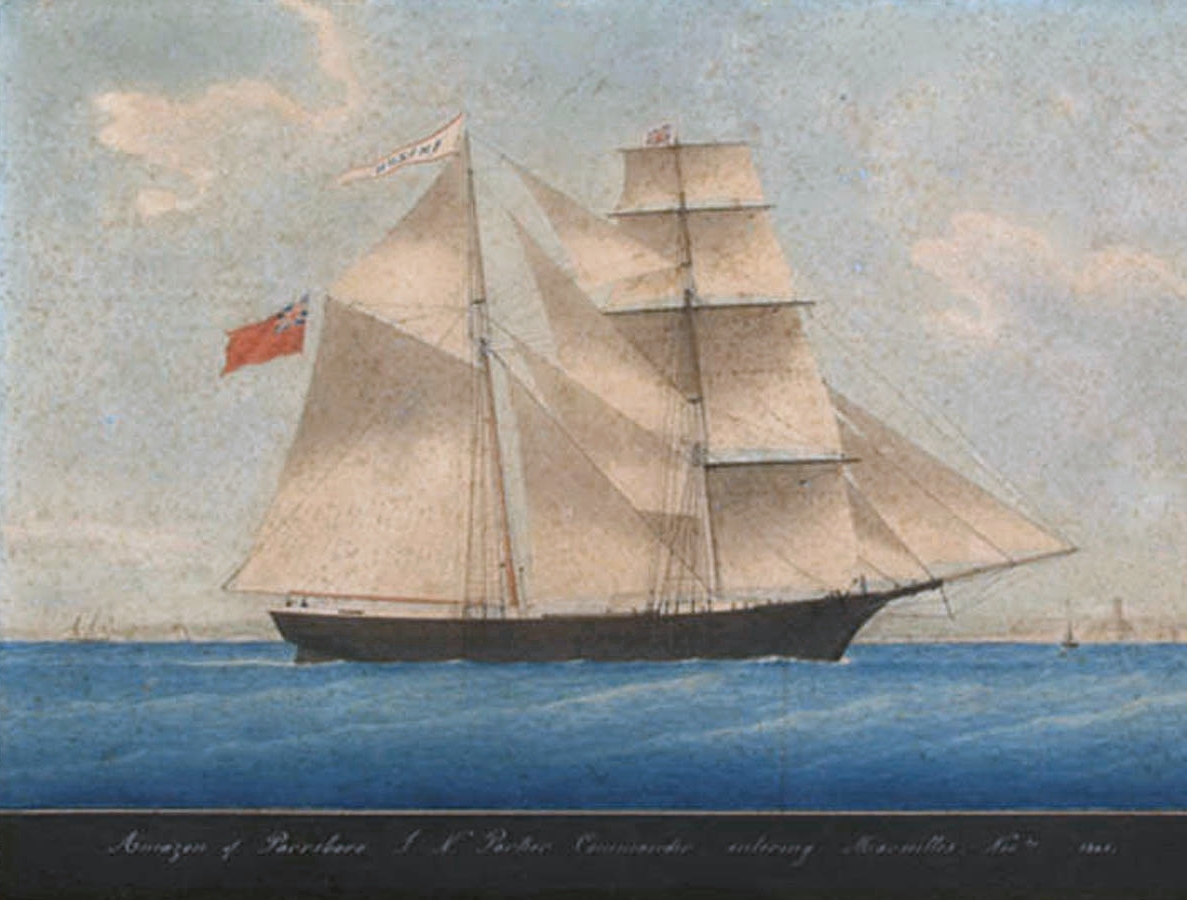
Atlantic Ocean, November 7, 1872. The brigantine Mary Celeste left New York Harbor with ten people aboard — Captain Benjamin Briggs, his wife Sarah, their two-year-old daughter Sophia, and seven crew. The cargo was 1,701 barrels of commercial alcohol. The destination was Genoa. Nobody aboard ever arrived.
On December 4, the crew of the Dei Gratia spotted the Mary Celeste sailing erratically about 400 miles east of the Azores. They hailed her. No answer. When they boarded, they found the ship seaworthy, the cargo largely intact, and six months of food and water in the hold. The lifeboat was gone. So were all ten people. The last entry in the ship's log was dated November 25 — nine days before the Dei Gratia found her drifting.
What happened
The Mary Celeste had covered roughly 500 miles in those nine days with no one at the helm. The sails were set, though some were damaged. The ship's chronometer and sextant were missing. The cargo hold showed signs of a small seawater intrusion — about 3.5 feet of water in the bilge, which sounds alarming but was not enough to threaten the vessel. The alcohol cargo was mostly intact: 9 of the 1,701 barrels were empty, and those 9 happened to be made of red oak rather than white oak — a wood known to be more porous. The crew's personal belongings were still aboard. The food was untouched.
Somebody left in a hurry. The question is why.
The evidence
The Gibraltar Vice-Admiralty Court convened an inquiry. The Attorney General, Frederick Solly-Flood, pushed hard for a foul-play theory — he suspected the Dei Gratia crew, who stood to collect salvage, of something. He could not prove it. The court awarded the Dei Gratia crew salvage of about £1,700 — roughly a fifth of the combined value of ship and cargo. That low figure is widely read as unproven suspicion rather than a clean verdict. No charges were ever filed.
The physical evidence ruled out a few things. There was no sign of violence. No blood, no struggle, no structural damage consistent with collision or storm. The ship was not sinking. Whatever made ten people get into a lifeboat and leave a functional vessel, it was not an obvious catastrophe already in progress.
What the explanations don't explain
The leading modern theory is a precautionary abandonment — the crew feared the alcohol cargo was about to explode, possibly after a pressure event vented vapor from the hold, and they got into the lifeboat intending to trail behind the ship on a line. If the line parted, or if the wind picked up faster than expected, the lifeboat and the ship would have separated. The Atlantic would have done the rest.
This fits most of the evidence. The 9 leaky red-oak barrels could have vented enough vapor to produce a frightening — but non-igniting — pressure event. The missing chronometer and sextant suggest the departure was at least partially planned, not panicked. The untouched food and personal belongings are harder to square with a slow, organized evacuation.
What the theory doesn't explain is why no wreckage of the lifeboat was ever found, why no body was ever recovered, and why — if the crew was trailing behind on a line — they didn't simply reboard when nothing exploded. Britannica and HISTORY both note that no theory has been proven. That remains the state of play.
What's still open
Arthur Conan Doyle published a fictionalized version in 1884 that introduced sea monsters and mutiny into the cultural record — neither of which appeared in the actual inquiry. The ghost-ship mythology grew from there, and the actual case got harder to see underneath it. What the record shows is more specific and more strange: a sound ship, a missing crew, and a nine-day drift that nobody witnessed. The best explanation is a careful guess. It has been a careful guess for 150 years.
What was found on the Mary Celeste when it was discovered abandoned?
The Mary Celeste was found seaworthy and stocked with six months of food and water. The cargo of 1,701 alcohol barrels was mostly intact, the crew's personal belongings were still aboard, and there was no sign of violence or struggle — but all ten people and the single lifeboat were gone.
What is the most widely accepted explanation for the Mary Celeste disappearance?
The leading theory is a precautionary abandonment: the crew may have feared an alcohol-vapor explosion after a pressure event in the cargo hold, got into the lifeboat, and became separated from the ship before they could reboard. No theory has been proven, and no wreckage of the lifeboat or bodies were ever recovered.
Did the Gibraltar court find evidence of foul play?
No. The Attorney General Frederick Solly-Flood suspected the Dei Gratia's crew — who discovered the ship and stood to collect salvage — but could not substantiate the theory. The court granted a salvage award at roughly a fifth of the ship-and-cargo value, a figure widely interpreted as reflecting unproven suspicion rather than a clean verdict.
Why is Arthur Conan Doyle's name associated with the Mary Celeste?
In 1884, Conan Doyle published a fictionalized short story loosely based on the case that introduced dramatic elements like mutiny — none of which appeared in the actual inquiry. The story significantly shaped the ghost-ship mythology that surrounds the case today, often obscuring the more specific and mundane details of the real record.
Was the Mary Celeste actually called the Marie Celeste?
The ship's correct name is Mary Celeste, not Marie Celeste. The misspelling 'Marie Celeste' entered popular usage largely through Conan Doyle's fictionalized account and has persisted in popular culture ever since, despite the ship's documented name.
Unexplained History
Dyatlov Pass
On the night of February 1, 1959, nine Soviet hikers led by Igor Dyatlov cut their tent open from the inside and fled into a -25°C blizzard on the eastern slope of Kholat Syakhl in the northern Urals. All nine died. Bodies were recovered over four months. Two had skull fractures; one had crushing chest injuries; clothing on three carried traces of radioactivity. The case stayed officially unsolved for sixty years.
1959-02-01
Cold Cases
The Somerton Man
On December 1, 1948, a well-dressed man was found dead on Somerton Beach, Adelaide. No ID. Labels cut from his clothes. A scrap in his pocket read 'Tamám Shud' — the closing line of the Rubaiyat. The book it came from turned up in a nearby car, with a phone number and a coded message inside. The case stood open for 74 years. In 2022, Colleen Fitzpatrick and Derek Abbott matched DNA from preserved hair to Carl Webb, born Melbourne 1905.
1948-12-01
Unexplained History
The Hinterkaifeck Murders
In late March 1922, six people — the Gruber family and their newly arrived maid — were killed with a farm mattock at the isolated Hinterkaifeck farmstead in Bavaria. Strange events preceded the murders, and someone evidently stayed at the farm for days afterward, feeding the livestock. Despite a decades-long investigation, no one was ever charged, and the case remains Germany's most famous unsolved murder.
1922-03-31
Gibraltar Vice-Admiralty Court
1873
No evidence of foul play; salvage award granted to the Dei Gratia crew
Attorney General Frederick Solly-Flood pressed a foul-play theory but could not substantiate it; the low award — about a fifth of the ship-and-cargo value — is widely read as unproven suspicion.
Modern historical consensus
20th-21st century
Unsolved; the most credible explanation is a precautionary abandonment into the lifeboat that ended fatally
No theory is proven; fear of an alcohol-vapor explosion and/or a misjudged flooding are the leading non-sensational candidates.
- Mary Celeste — Wikipedia (Featured Article)Creative Commons — reuse allowed with attribution, share-alikeaccessed 2026-05-21
- Jess Blumberg — Abandoned Ship: The Mary Celeste, Smithsonian MagazineQuoted or summarized under fair use — follow the link for the originalaccessed 2026-05-21
- Mary Celeste — Encyclopaedia BritannicaQuoted or summarized under fair use — follow the link for the originalaccessed 2026-05-21
- What Happened to the Mary Celeste? — HISTORYQuoted or summarized under fair use — follow the link for the originalaccessed 2026-05-21
This account draws on publicly available sources and historical records. Report a factual error → How we source and correct →