The Anomaly
Field Guide
Eleven kinds of unexplained, plated like specimens.
The Anomaly
Field Guide
Eleven kinds of unexplained, plated like specimens.
Eleven kinds of unexplained, plated like specimens.
This is The Anomaly Field Guide — a working catalog of the eleven kinds of things humans have seen, recorded, and failed to fully explain. Each plate is a specimen: an iconic case, an inset showing where or when it appears, a load-bearing data point, and a short field note. Some plates are illustrated. Some are typographic. All of them are sourced. None of them are settled.
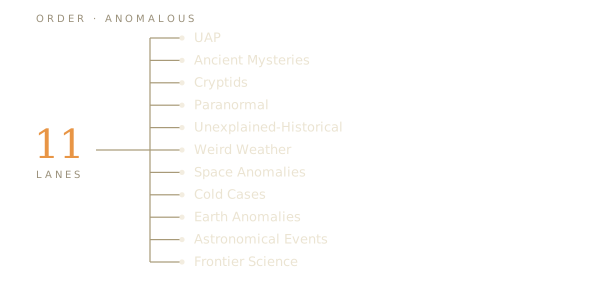
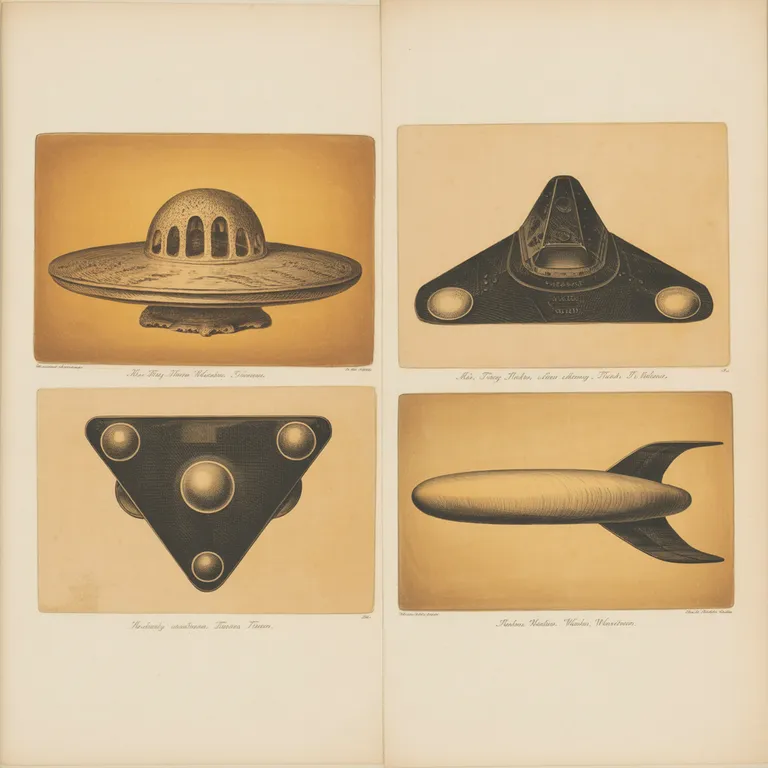
701 cases the U.S. Air Force could not explain.
The Unidentified Aerial Phenomenon is the iconic American anomaly. Project Blue Book ran from 1952 to 1969 and catalogued 12,618 sightings. The Air Force closed 11,917 of them. The remaining 701 — almost six percent of the total — were officially marked unexplained and have never been re-opened. The 2026 PURSUE release added more declassified cases. Decades later, the official catalog still has a column titled 'Unidentified.'
11,917 explained; 701 unexplained; 0 reopened.
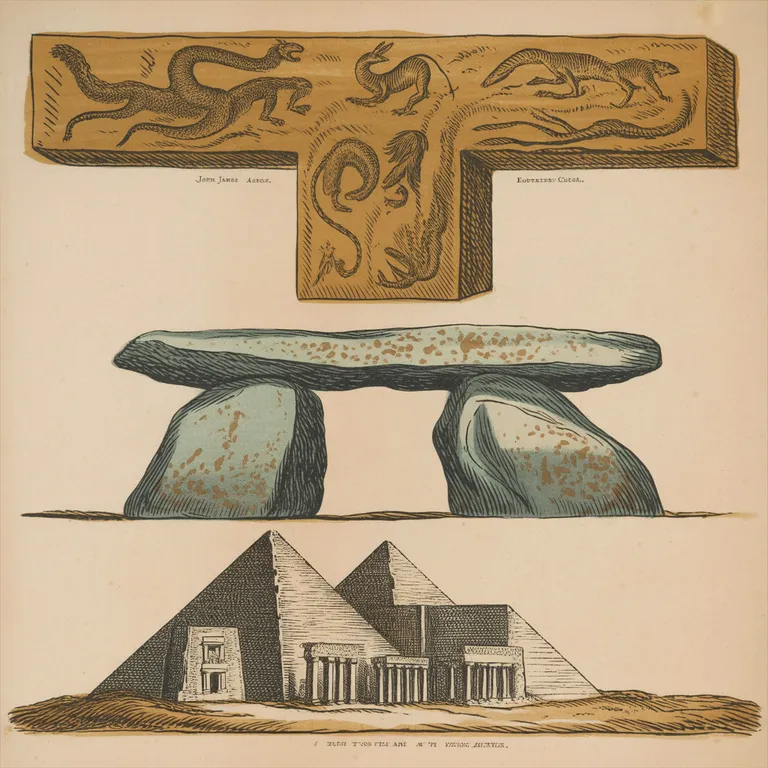
Built 11,500 years ago. Buried by the builders. Why?
Göbekli Tepe sits on a hill in southeastern Turkey and shouldn't exist. The T-shaped limestone pillars are older than agriculture, older than pottery, older than writing — twelve millennia old, carved by people who hunted with stone tools. After about 1,500 years of use the builders backfilled the entire complex with rubble and walked away. We have no settled explanation for why they built it, or for why they so deliberately buried it.
Predates the wheel by about 6,000 years.
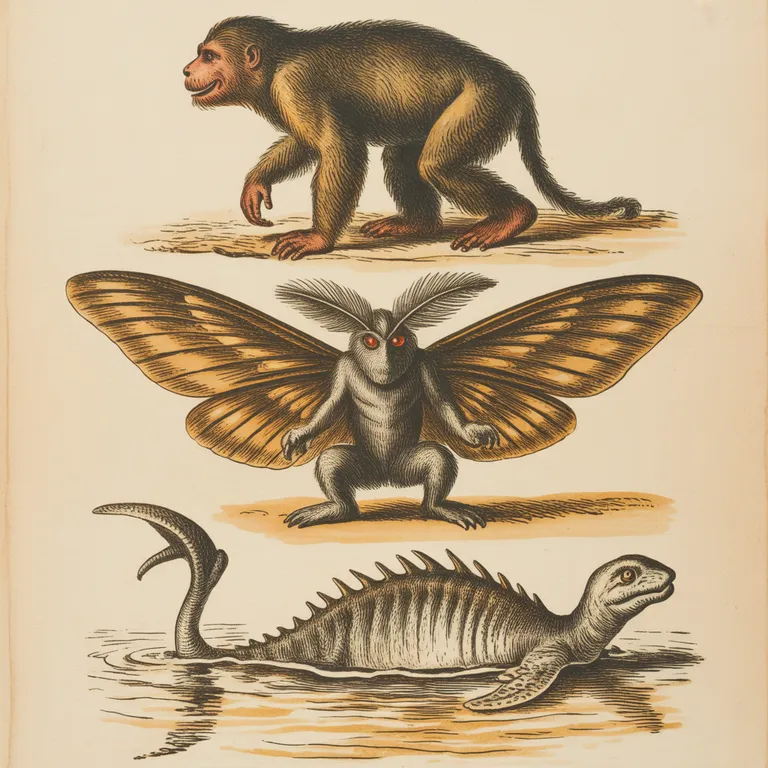
Washington State has never declassified Bigfoot.
Cryptids are the animals that field guides leave out because nobody can produce a specimen to museum standards. Bigfoot, Mothman, the Loch Ness creature, the Jersey Devil, Champ. Reports go back centuries; physical evidence does not. What does exist is institutional: Washington State has a Sasquatch policy on its books, county sheriffs in West Virginia keep Mothman files, and the Loch Ness has been the subject of three serious sonar surveys. Absence of a body is not absence of an investigation.
Killing one is a Class B felony in the county.
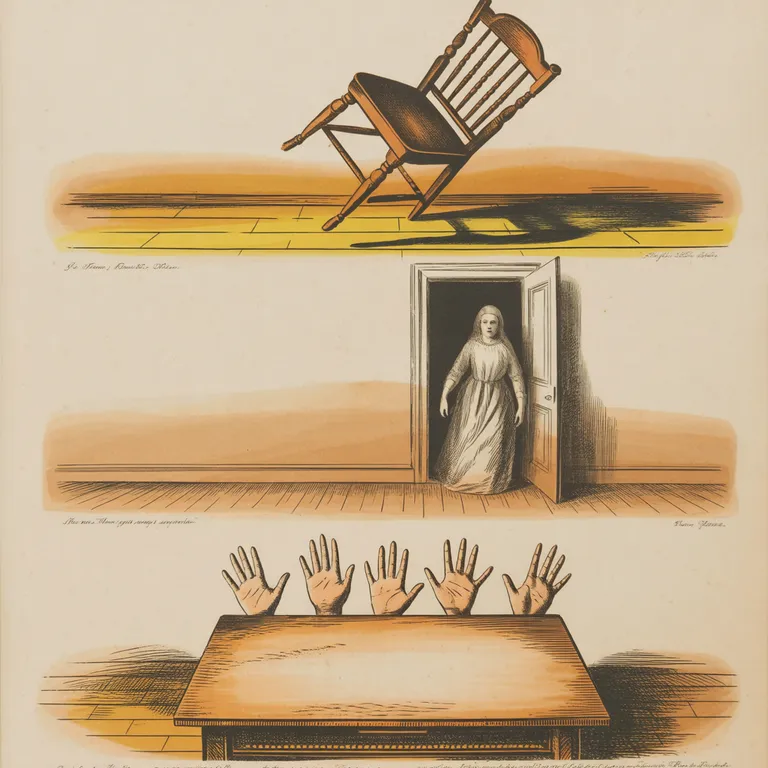
The Enfield case file is roughly a thousand pages.
Paranormal investigations live in a strange category — too witnessed to dismiss, too unreplicable to publish. The Enfield poltergeist haunted a council house in north London for 18 months in 1977–79. Two investigators from the Society for Psychical Research filed 180 hours of audio, photos, and statements from 47 witnesses including two policemen. Their published conclusion: they believed something real happened. The case file remains the most thoroughly documented poltergeist investigation on record.
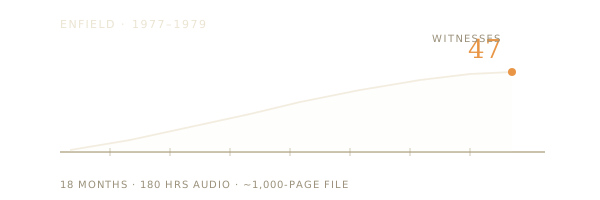
Including two policemen and a press photographer.
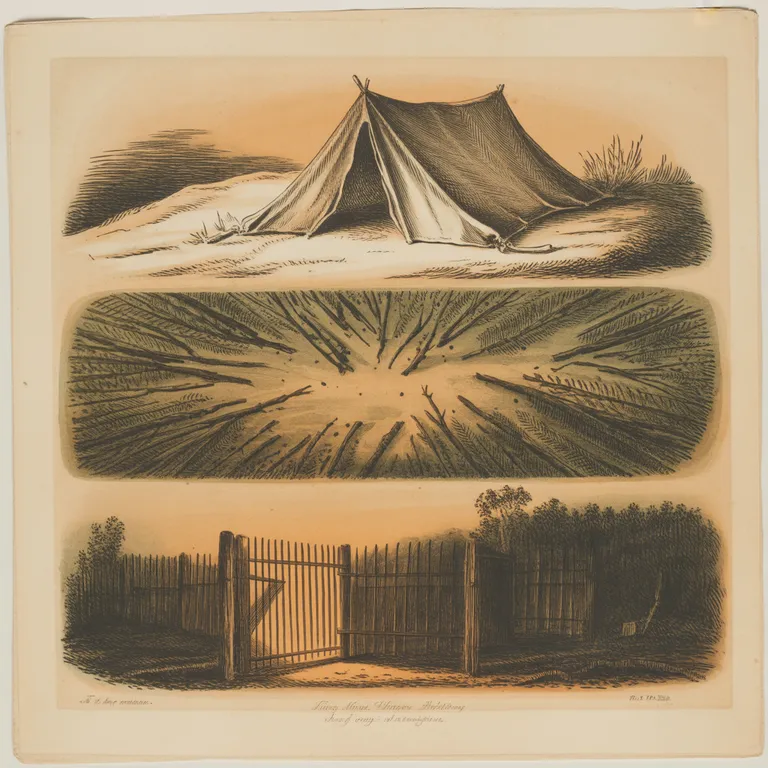
Nine hikers cut their tent from inside. Then died in the snow.
On the night of February 1, 1959, nine Soviet ski hikers cut their way out of their tent on the Dyatlov Pass, ran into a sub-zero snowstorm without their boots, and died spread across a kilometer of slope. The autopsy found two with crushed chests and a third with her tongue missing. The Soviet investigation closed the case citing 'a compelling natural force.' Russia reopened it in 2019 and concluded in 2020 that an avalanche was responsible — an explanation that fits almost none of the physical evidence the original investigators recorded.
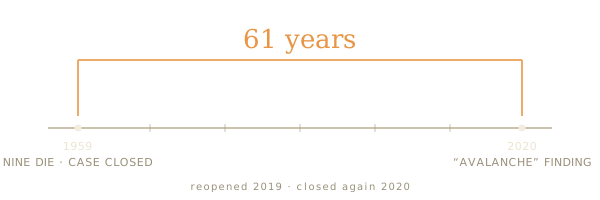
Avalanche theory contradicts the slope angle, the tent placement, and the injury pattern.
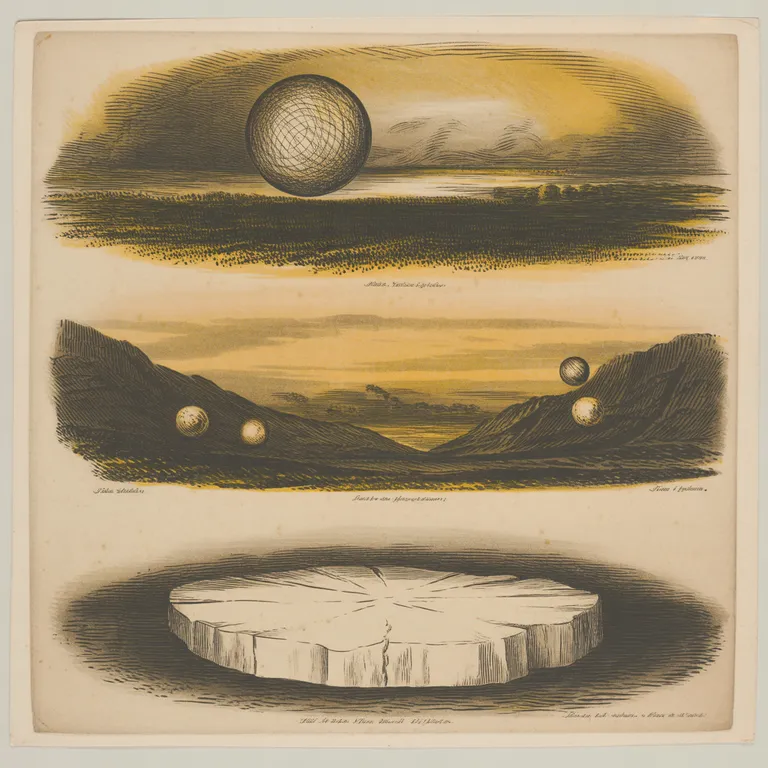
The Hessdalen lights have shown up on schedule for 40 years.
Ball lightning is a weather phenomenon that physics doesn't have a settled mechanism for. Eyewitness reports go back to Aristotle. The Hessdalen Valley in Norway hosts a related phenomenon — luminous balls that drift through the air for seconds to minutes, repeatable enough that a permanent monitoring station has watched them since 1984. The local field has measured radio bursts, magnetic anomalies, and rapid plasma decay. None of the four leading theoretical models predicts the observed lifetime.
Project Hessdalen has produced over 100 scientific reports without a settled mechanism.
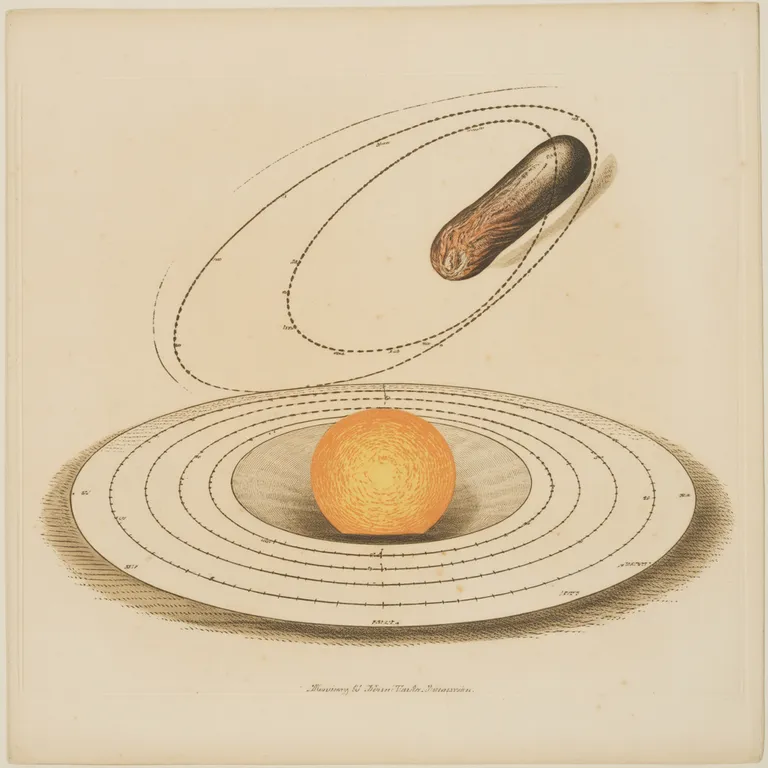
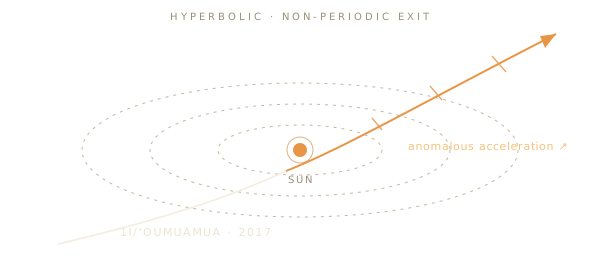
It left the solar system faster than gravity says it should.
'Oumuamua was the first interstellar object humans have ever observed inside our solar system. It passed through in late 2017 at speeds that placed it firmly on a hyperbolic exit trajectory — and then it accelerated on the way out, leaving the Sun's neighborhood faster than gravity alone predicts. The leading explanation is outgassing from a comet-like body, but no coma, no tail, and no spectral signature of outgassing were observed. By the time anybody could point a serious instrument at it, it was already gone. No second interstellar object since has had the same anomalous acceleration.
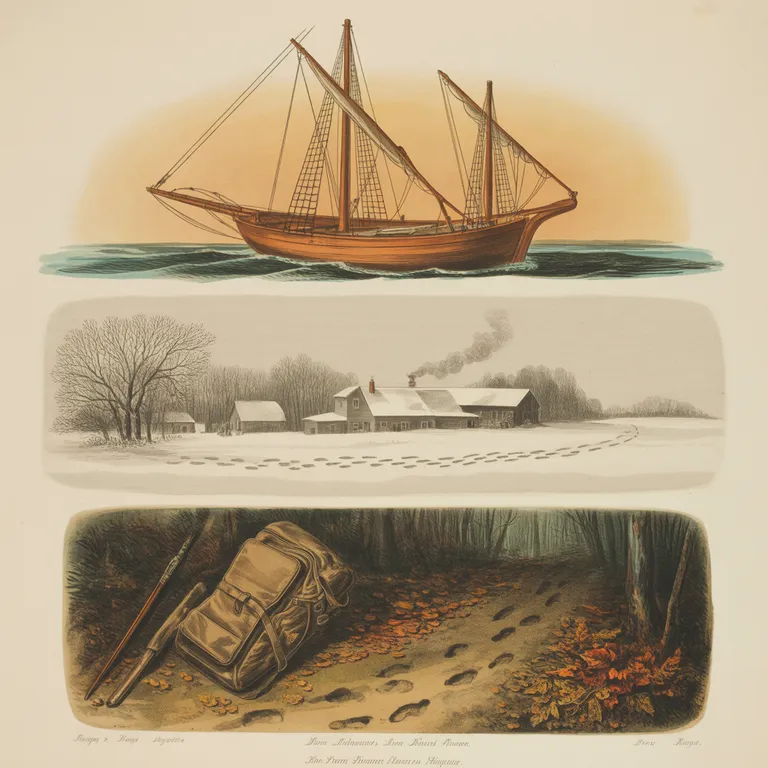
Found with the table set and the lifeboat gone.
The Mary Celeste was discovered in December 1872 drifting in the Atlantic between the Azores and Portugal with her cargo of denatured alcohol intact, the captain's last log entry ten days old, and no sign of her seven-person crew. The lifeboat was missing. No bodies, no blood, no distress signal, no piracy markers were ever found. The official inquiry concluded with no determinable cause. A century and a half later, the case has accumulated dozens of theories — none of them supported by physical evidence sufficient to close the file.
Crew of 7. Bodies recovered: 0.
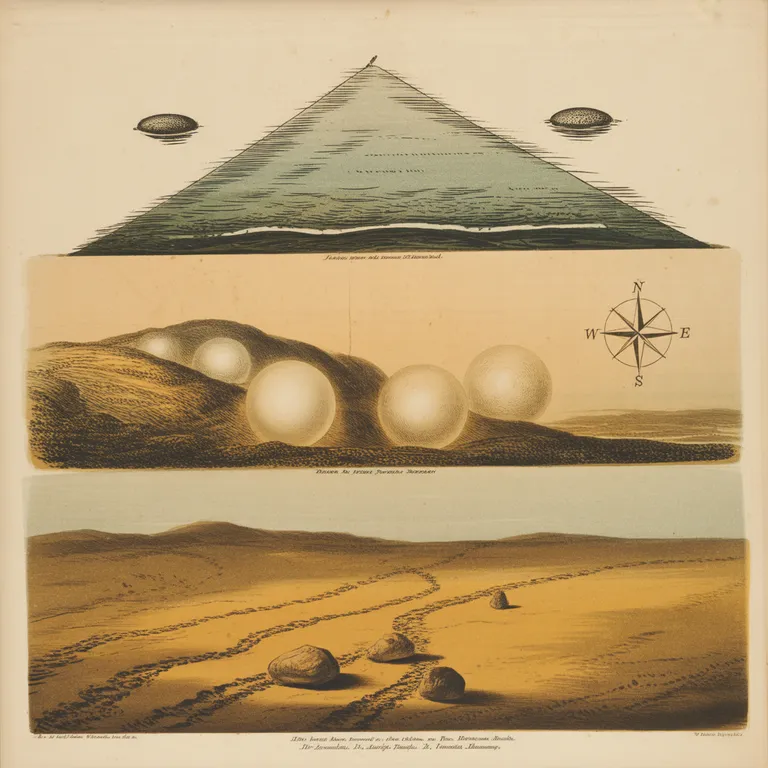
The Bermuda Triangle's loss rate is statistically ordinary.
The Bermuda Triangle is the most famous of the so-called Vile Vortices, but its reputation for unusual vessel losses does not survive a quantitative look. Lloyd's of London — the marine-insurance market that would have the strongest commercial reason to flag it — has repeatedly stated that the Triangle's loss rate is not unusual for the volume of traffic it carries. The NOAA National Ocean Service has published the same conclusion. The Vile Vortex literature has been culturally durable. The statistical case for it has not been.
Lloyd's of London has issued the same finding in commercial advisories.
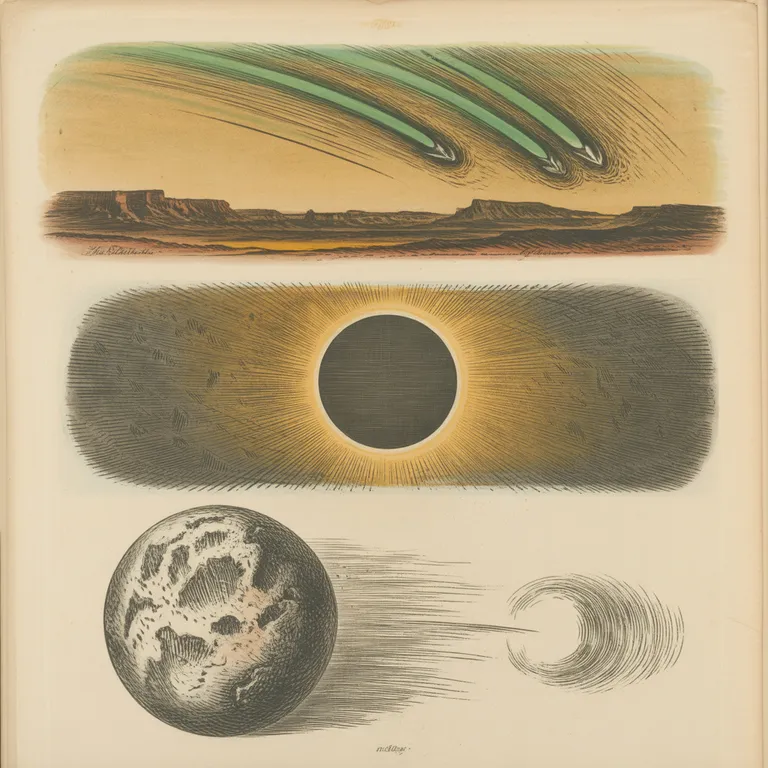
138 green fireballs over New Mexico. Project Twinkle never closed it.
Between December 1948 and the end of 1950, military observers across New Mexico, Arizona, and Texas filed 138 separate reports of green fireballs — slow, silent, low-altitude meteor-like objects that appeared to descend and then level off. The U.S. Air Force created Project Twinkle in 1949 explicitly to investigate them. Project Twinkle ran for two years, never caught one on instrument, and closed in 1951 with the cases unresolved. Green fireballs of similar character have been reported sporadically since. The Air Force has not re-opened the file.
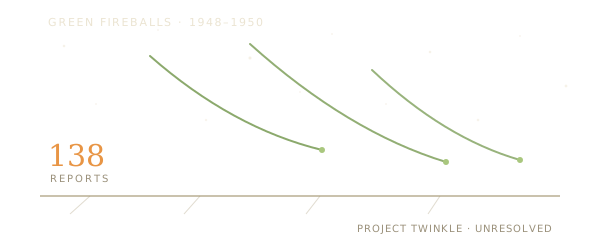
Project Twinkle closed unsolved in 1951.
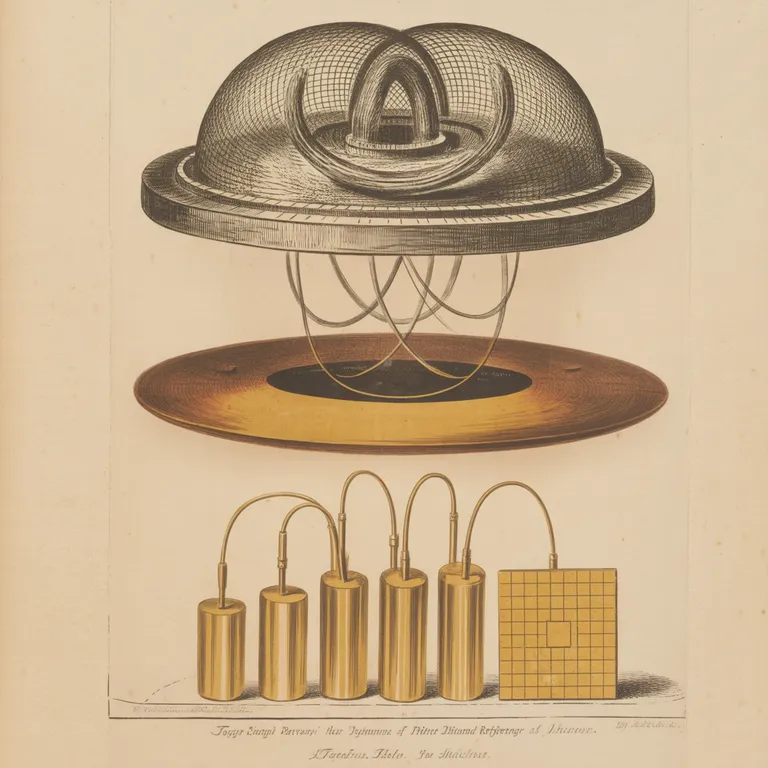
Fusion ignition happened in 2022. Grid-scale energy: median bet, 2046.
On December 5, 2022, the National Ignition Facility achieved fusion ignition — more energy out of the fuel pellet than the lasers put in. It was the first demonstration of net energy gain from controlled fusion in human history. It was also one shot, in a building-sized laser, into a fuel pellet that cost more than the energy it produced. The path from physics demonstration to grid-scale fusion power runs through engineering, supply chains, and capital that don't yet exist. The Manifold prediction market's median estimate for the first commercial fusion reactor producing net grid energy is 2046.
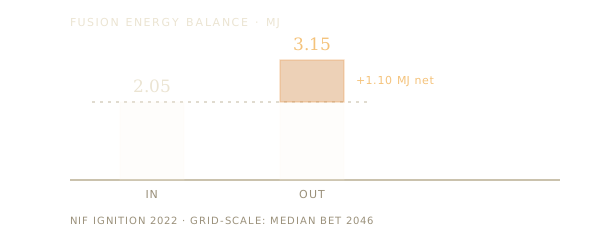
First net-energy fusion event in human history.
Volume I closes here. The list goes on.
This is the end of Volume I of The Anomaly Field Guide. Each of these eleven plates has a fuller story behind it — a Volume II deep-dive that we'll ship over the coming months: the Nimitz Tic Tac, the megalithic alignment maps, the cryptid hotspot atlas, the prediction-market claims tracker. The Field Guide is the index. The Volumes are the long reads. If a plate caught you, that lane is where to follow it.