Orb sighting in Fence Lake, NM
Objects appeared in 2 separate photographs of a total of 7 shot
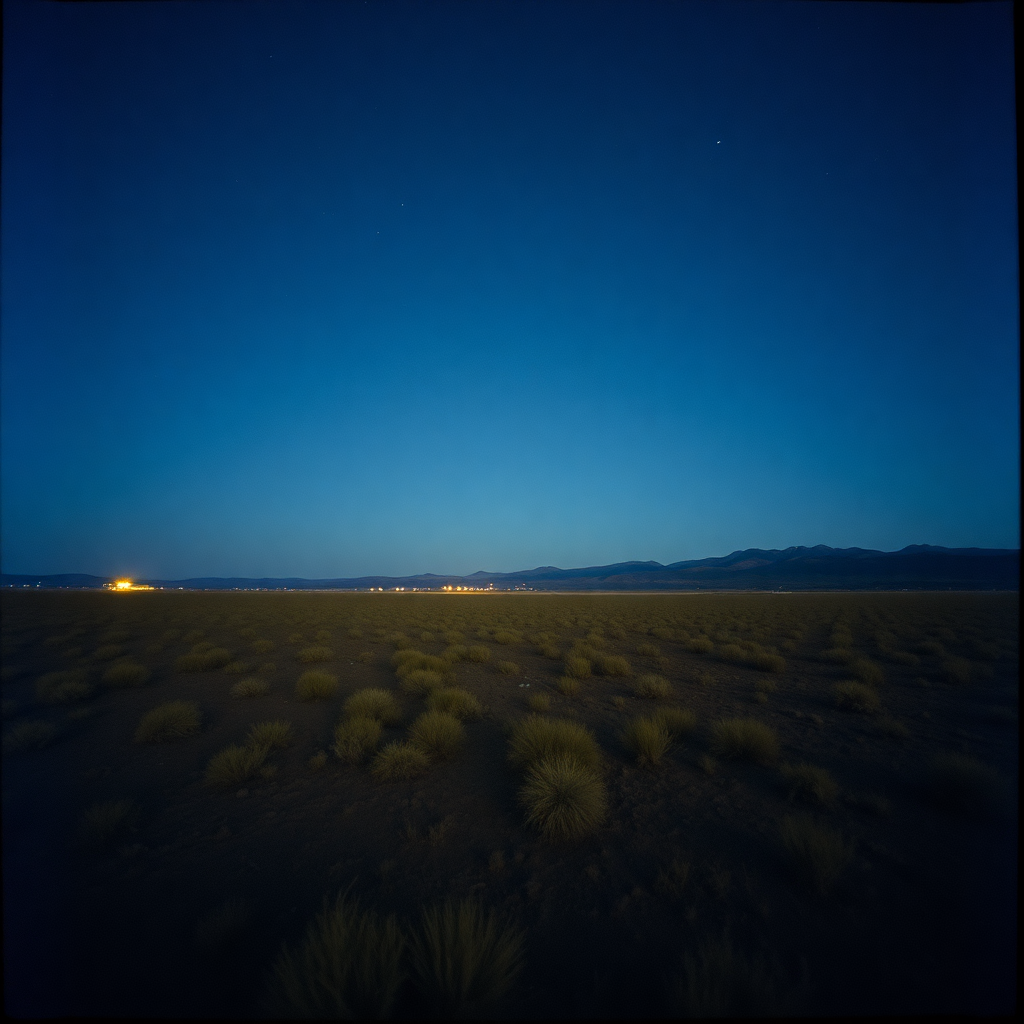
Our read
Evidence — 6 claims
3 supported · 1 contested · 2 open
Sources — 1
single uncorroborated report
Contested
Competing readings of the record remain live.
A single uncorroborated report — everything below rests on one source.
- SupportedSeven photographs were taken; objects described as orbs appeared in exactly 2 of the 7 frames.
- SupportedThe sighting occurred on May 7, 2026, in Fence Lake, Catron County, New Mexico.
- OpenThe witness apparently did not observe the objects in real time — they were discovered during photo review.
- OpenThe photographs have not been published or made publicly available through the NUFORC listing.
- SupportedLens flare, sensor artifacts, insects, and airborne debris are standard explanations for objects appearing in photos but not seen by witnesses.
- ContestedA two-out-of-seven pattern is harder to attribute to a consistent artifact like a lens scratch than an all-frames occurrence would be.
What remains unexplained
The images haven't been publicly released or analyzed. Key context — camera settings, lighting, whether the two frames were consecutive — is absent from the record. The case is open and likely to stay that way without the photographs.
- 01Whether the two anomalous frames were consecutive or separated in the sequence is unspecified.
- 02Camera model, settings, and lighting conditions at time of capture are not in the public record.
- 03No independent image analysis has been conducted or published.
- 04The witness's real-time perception — whether they saw anything at all during the shoot — is ambiguous in the report.
Fence Lake, New Mexico. May 7, 2026. Someone pointed a camera at the sky and took seven photographs. In two of them, something appears that wasn't visible to the naked eye — or at least wasn't noticed at the time.
That's the report as filed with NUFORC: a witness, seven frames, two anomalous. The objects appear in the photographs but not, apparently, in the others. No description of motion, no duration, no sound. The record is spare.
What happened
The witness was in Fence Lake — a small, remote community in Catron County, about 90 miles west of Socorro — and captured seven images in sequence. When reviewing the photographs afterward, two of the seven contained visible orb-like objects. The remaining five did not. The NUFORC report does not indicate whether the objects were spotted in real time or discovered only during review.
That distinction matters. Objects appearing in photographs but not perceived by the witness at the moment of capture have a fairly long list of mundane explanations — lens flare, sensor artifacts, insects, dust, out-of-focus debris in front of the lens. They also have a shorter list of explanations that don't resolve as cleanly.
The evidence
What the record actually contains: two photographs, out of seven, showing objects the witness flagged as anomalous. The report is filed. The images, as of this writing, are not publicly available through the NUFORC listing.
The photographic sequence is the interesting part. Seven shots, two hits. If the objects were a consistent artifact of the camera or lens — a scratch, a stuck pixel, a chronic flare — you'd expect them across more frames, or across all of them. If they were an insect or airborne debris passing through the frame, two non-consecutive hits in seven shots is plausible. If the sky contained something genuinely anomalous, two out of seven is also plausible.
The data doesn't separate those possibilities. Not yet, and maybe not ever — the images themselves would need analysis.
What the explanations don't explain
The standard photographic artifact explanations work best when the artifact is consistent. A lens flare tied to a light source tends to appear whenever that light source is in frame. Sensor noise is usually random and small-scale. The two-out-of-seven pattern isn't obviously consistent with either.
That said, Fence Lake sits at roughly 7,000 feet elevation in high desert terrain. Atmospheric conditions, insects, and airborne particulate are all real variables. The witness's own account doesn't describe seeing anything unusual — which cuts both ways. It might mean there was nothing to see. It might mean the objects were moving fast, or were small, or appeared briefly.
The honest position: the pattern is mildly interesting. The evidence, as publicly available, is thin.
What's still open
The images haven't been published or analyzed publicly. The witness's full account — what they were photographing, the lighting conditions, the camera and settings — isn't in the record. Whether the two frames were consecutive or separated in the sequence isn't specified.
Fence Lake is remote enough that it doesn't generate a lot of background noise. That's worth something, in the sense that whatever appeared probably wasn't a drone light show or a military flare exercise. It's also worth very little, because the most likely explanations for photographic orbs don't require population density.
Two photographs. Five clean frames. The gap between those numbers is where this case lives, and where it will probably stay until someone runs the images.
What was seen in the Fence Lake, NM orb sighting on May 7, 2026?
A witness photographed the sky in Fence Lake, New Mexico, taking seven images in sequence. Orb-like objects appeared in two of the seven photographs, but were apparently not noticed during the shoot itself — only discovered afterward during review. The full details are filed with NUFORC as report 197602.
Could the orbs in the Fence Lake photos be lens flares or camera artifacts?
That's the leading mundane explanation for objects that appear in photographs but weren't seen by the witness at the time. The two-out-of-seven pattern is slightly harder to fit to a consistent artifact like a lens scratch or stuck pixel, but insects, dust, and atmospheric particulate are all plausible culprits at Fence Lake's high desert elevation. Without the images themselves being publicly available for analysis, no explanation can be confirmed or ruled out.
Where is Fence Lake, NM, and does the location tell us anything?
Fence Lake is a small, remote community in Catron County, New Mexico, roughly 90 miles west of Socorro, at about 7,000 feet elevation. Its remoteness means the sighting is unlikely to be explained by urban light sources or drone shows, but the most common photographic orb explanations — airborne debris, insects, atmospheric conditions — don't require a populated area to apply.
Are the photographs from the Fence Lake sighting publicly available?
As of this writing, the images are not publicly accessible through the NUFORC report listing. Without the photographs available for independent analysis, the case rests entirely on the witness's account as filed, and no firm conclusion about the objects' nature is possible.
How does NUFORC handle reports like this one?
NUFORC, the National UFO Reporting Center, collects and publishes witness accounts of anomalous aerial phenomena without independently verifying or investigating most reports. The Fence Lake case appears in their database as report 197602, preserving the witness account for the record — but NUFORC's role is documentation, not analysis.
UAP
Star sighting in Giethoorn, Overijssel
It was a nice night tour when all off a sudden a big bang was heard and a tiny gray star looking thing came blasting low over the water
2026-05-10
UAP
Chevron sighting in London, England
The shape looked similar to a normal car shape that we would think of. Main body was black and was lighting bright with yellow glare.
2026-05-10
UAP
Triangle sighting in Qualicum Beach, BC
A witness on Vancouver Island watched a large, white, self-luminous triangle hang low over Qualicum Beach on May 5, 2026 — not drifting, not strobing, just there.
2026-05-05
- NUFORC report 197602[fair-use]accessed 2026-05-13
This account draws on publicly available sources and historical records. Report a factual error →